
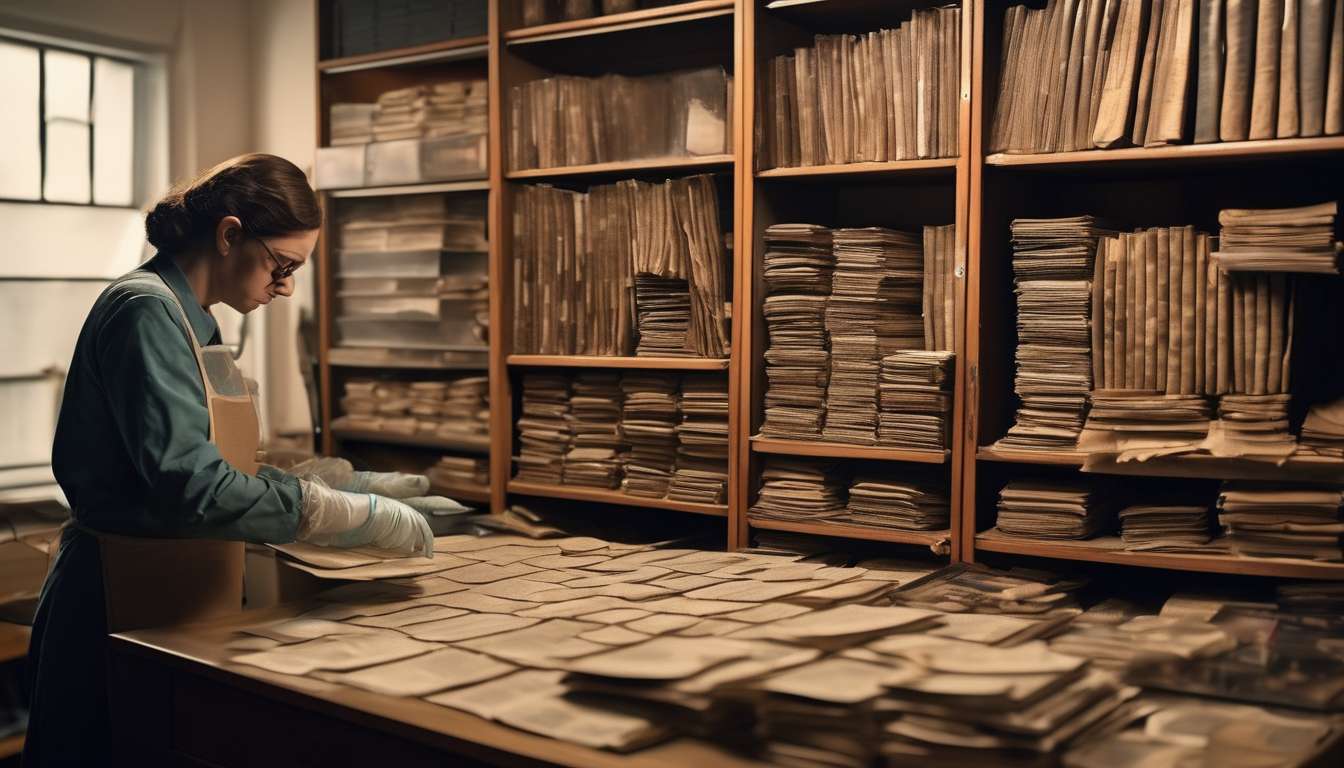
Dust motes danced in the archive’s afternoon light as we gently lifted a box labeled with a publisher’s faded logo. For a moment we were time travelers tracing the contours of an industry that shaped aesthetics, law, and social mores.
We recalled the evening our team first pieced together a torn editorial calendar. Those stapled schedules mapped not only production timetables but shifting cultural values and battles over censorship.
We listened as retired photographers, editors, and distributors told stories. Their accounts wove together craft, commerce, and rebellion, each story a filament in a larger tapestry we were charged to preserve.
We faced fragile negatives, classified ads, protest flyers, and handwritten notes. These materials reveal how adult photography publishing negotiated respectability, exploitation, artistry, and regulation.
As custodians and interpreters, our aim is to show how these materials illuminate broader histories.
- We highlight connections between media practices and social movements.
- We document legal and cultural conflicts over expression and morality.
- We preserve personal and professional testimonies that contextualize printed objects.
Archives do more than store objects; they keep conversations alive.
Archive Origins
We began collecting early adult photographs, magazines, and related ephemera to document how the genre evolved and who shaped its visual language.
We wanted a place where people who care about visual culture could feel welcomed and connected to a shared history.
In building adult magazine archives, we committed to rigorous cataloging, contextual notes, and provenance checks so items serve researchers and curious newcomers alike.
We also confronted censorship battles that tried to erase or fragment this history; by preserving court records, correspondence, and editions withdrawn from circulation, we ensure those struggles remain visible.
Our approach to photographic preservation balances conservation best practices with access:
- Stabilized originals to prevent further deterioration.
- High-quality digitization to enable study without handling fragile items.
- Clear rights statements so communities can use images without unnecessary legal uncertainty.
We stay deliberate about scope and transparent about decisions, inviting contributors to participate and claim belonging in stewarding a complex cultural record.
By doing this work together, we make a contested history available, useful, and respectfully framed for present and future audiences.
Publisher Collections
Many of our most informative holdings come from publisher collections, where complete runs, editorial files, and production materials reveal how images were commissioned, edited, and distributed.
We’ve built a collaborative space around these collections so everyone who cares about adult magazine archives feels seen and useful.
We catalogue mastheads, photographer correspondence, and layout proofs to trace editorial intent and market shifts, and we share findings with scholars, artists, and community members.
We document censorship battles in publishers’ records—legal briefs, seized issue logs, and internal risk assessments—so we can understand how external pressures shaped imagery and access.
Our accession policies prioritize original negatives, contact sheets, and print runs to support long-term photographic preservation.
- We provide guidance on handling, digitization, and ethical access.
By stewarding publisher collections transparently and inclusively, we strengthen collective memory, support research, and ensure these complex cultural documents remain accessible to the communities they represent and the wider public interested in media history.
Photographic Techniques
We outline the key photographic techniques—lighting, film and digital workflows, staging, and post-processing—that shaped how images were made and perceived.
We explore how consistent lighting setups and choice of film stocks created recognizable visual languages in adult magazine archives, and how later digital workflows shifted color, grain, and retouching approaches.
We acknowledge staging choices—sets, props, and direction—that balanced artistic intent with market expectations.
We describe how darkroom practices and RAW processing guided final tonality.
We frame these technical histories to invite readers into a community that values photographic preservation.
- Archivists document metadata to preserve provenance and context.
- Conservators stabilize and conserve negatives and prints.
- Technicians migrate files and formats to maintain long-term access.
We touch on how censorship battles influenced technique: photographers adapted framing, exposure, and sequencing to navigate restrictions while retaining expressive aims.
By focusing on concrete methods and preservation strategies, we make room for practitioners, archivists, and enthusiasts to connect, share skills, and steward this material responsibly.
Legal Battles
We trace landmark court cases and legislative fights that shaped what we could publish, display, and preserve.
We examine how rulings on obscenity, distribution, and privacy directly affected adult magazine archives, forcing institutions and collectors to adapt cataloging, access policies, and storage practices.
We recognize that these legal contests weren’t abstract — they defined who belonged inside our archival community and who was pushed to the margins.
We document litigation that clarified the rights of creators, publishers, and repositories to keep photographic material for research and cultural memory, and we map the precedents that guided photographic preservation protocols.
We note how regulations around age verification, venue restrictions, and postal enforcement altered publishing models and collection strategies.
We emphasize solidarity: archivists, scholars, and former publishers worked together to defend collections and stewardship standards.
By tracing these legal threads, we make clear the responsibilities and protections that allow us to preserve a contested visual history for future generations.
Censorship and Protest
We document how communities, authorities, and activists confronted and contested the display, distribution, and storage of erotic photography.
This work shows how those struggles shaped what could be seen, who could see it, and where it could be kept.
We trace censorship battles that targeted publishers, libraries, and collectors.
- Examples include legal challenges, police seizures, and administrative removals.
- Targets included commercial publishers, public and private libraries, and private collectors.
We show how collective action pushed back against moral panic and selective enforcement.
- Tactics included petitions, protests, and solidarity networks.
- Outcomes included public pressure on authorities and increased visibility for preservation efforts.
We center adult magazine archives as sites of memory and resistance.
- These archives preserve contested materials for study rather than erase them.
- They function as resources for historians, legal scholars, and cultural researchers.
We acknowledge diverse perspectives within communities and create spaces for dialogue.
- Participants include researchers, former publishers, advocates, and community members.
- Goals include ensuring these voices can speak and be heard in preservation and access decisions.
We describe tactics used to protect materials and minimize sensationalism.
- Practical measures include:
- Secure cataloging and metadata practices.
- Restricted reading rooms and controlled access policies.
- Partnerships with academic institutions for stewardship and preservation.
We highlight victories and policy changes that recognized the materials’ value.
- Notable outcomes include: overturned bans, restored collections, and institutional policies acknowledging artistic and historical significance.
By documenting these struggles together, we strengthen belonging for those committed to safeguarding a contested but important cultural record.
Industry Networks
We map the industry networks that connected publishers, distributors, photographers, and collectors.
This lets us understand how materials circulated, were cataloged, and ultimately found their way into archives.
We trace partnerships and exchanges that sustained distribution.
- We trace partnerships between small presses and newsstands.
- We note barter exchanges among photographers and editors.
- We chart collector circles that rescued fragile issues now housed in adult magazine archives.
We acknowledge the impact of censorship on distribution and survival.
- Censorship battles reshaped routes of distribution, forcing clandestine exchanges and inventive cataloging.
- Those changes directly influence what survives today.
We share practical methods for documenting provenance and linking collections.
- Standardizing metadata.
- Documenting provenance.
- Linking dispersed collections so newcomers feel welcome to contribute knowledge.
We recognize and bridge different kinds of stewards.
- Institutional gatekeepers and grassroots stewards are both acknowledged.
- We bridge them through collaborative cataloging projects and shared digital platforms.
We prioritize photographic preservation practices.
- Acid-free storage.
- Digitization.
- Condition reporting.
- These practices ensure access while minimizing exploitation.
By revealing these networks transparently, we build community trust and strengthen the archival web.
Transparent mapping encourages responsible donations, supports collective ownership of publishing history, and keeps this material visible and accountable.
Oral Histories
We’ll record firsthand accounts from publishers, photographers, distributors, and collectors to capture memories and decision‑making that don’t appear in print.
We gather oral histories to strengthen our community’s sense of belonging, inviting people who lived through pivotal moments to speak candidly.
We ask about editorial choices, distribution logistics, and reactions to censorship battles so these stories sit alongside catalogued materials in adult magazine archives rather than being lost.
We honor narrators by transcribing interviews, noting context, and linking testimony to related documentation.
We prioritize diverse voices—staffers, models, printers, legal counsel—so the record reflects shared labor and hidden expertise.
We document how personal risk, solidarity, and advocacy shaped publishing practices and responses to regulation.
By centering lived experience, we create a richer, humanized archive that supports research, education, and community memory.
These oral histories complement photographic preservation without duplicating technical conservation topics, emphasizing narrative, agency, and the archival value of testimony.
Preservation Practices
We prioritize durable storage, careful handling, and clear documentation to ensure materials remain accessible and authentic for researchers and community members.
We catalog adult magazine archives with standardized metadata, link related oral histories, and note provenance so everyone can trace context and ownership.
We invest in climate-controlled shelving, acid-free enclosures, and digitization workflows that reduce wear while expanding access for those who can’t visit in person.
We preserve documentation of censorship battles alongside the publications themselves so visitors see the full history of contested expression. This includes seizures, court records, and community responses.
Our photographic preservation practices follow best-practice imaging, format migration, and checksums to guard against loss and corruption.
We train volunteers and staff in handling fragile paper and photographic materials, and we welcome contributions and corrections from community members, because collaborative stewardship strengthens trust and ensures these complex cultural records are cared for responsibly and shared with dignity.
How do cultural archives handle access requests from researchers who want to study ethically sensitive material, such as images involving consenting adults but depicting explicit acts?
We recognize researchers often request access to ethically sensitive explicit material, and we handle such requests carefully.
We assess intent and verify credentials.
We require detailed research proposals.
We balance privacy, consent documentation, and legal restrictions.
We impose tiered access controls when needed, such as:
- supervised viewing
- redacted copies
- restricted datasets
We consult ethics boards and seek donor consent where possible.
We document decisions transparently so researchers feel respected and the dignity of affected communities is preserved.
Are there special privacy protections or anonymization practices applied to personal correspondence, subscription lists, or donor records in these collections to protect individuals mentioned?
Yes — we apply special privacy protections and anonymization to correspondence, subscriber lists, and donor records to protect individuals.
Anonymization and redaction
- We redact names or replace them with codes to remove direct identifiers.
- We sometimes seal records for set periods to limit access over time.
Access controls
- We restrict access to sensitive files to authorized personnel only.
- We require research agreements that define permitted uses and handling of sensitive data.
Oversight and engagement
- We consult legal and ethical guidelines to ensure compliance and best practice.
- We engage community stakeholders so people feel respected and included in stewardship decisions.
How do archives verify the provenance and copyright status of adult magazines, photographs, and related ephemera before making them available or digitizing them?
Assess the artifact’s history and ownership.
We trace acquisition records, donor agreements, and accession logs to establish provenance and ownership history.
Identify copyright holders or heirs.
We consult legal databases, rights registries, publisher records, and expert networks to locate rights holders and potential heirs.
Document gaps and manage unclear cases.
- We document any gaps in ownership or authorship information.
- When feasible, we seek written permissions from identified rights holders.
- For unresolved cases, we apply risk-based restrictions to limit use until status is clarified.
Record decisions and notify users.
We record provenance findings and copyright decisions in catalog records and notify users of any use conditions or restrictions.
Encourage collaborative stewardship.
We promote collaboration with stakeholders (donors, rights holders, researchers, and the public) to improve provenance knowledge and resolve rights issues.
Conclusion
You’ve seen how cultural archives have rescued the complex history of adult photography publishing, preserving publisher collections, technical know-how, legal struggles and acts of protest.
By recording industry networks and oral histories, they give context to shifting norms and censorship battles.
Their preservation practices make fragile materials accessible for research and debate, ensuring this contested cultural record informs future conversations about art, law and community memory rather than being erased or forgotten.